


AI-Addicted Forensics: Back to Foundations


For the last few years, the digital forensics community (as everyone) has been riding a familiar wave: AI hype.
Agents, copilots, autonomous investigators promise to “revolutionize” forensic analysis.
But revolutions tend to forget one thing.
Foundations.
This post is not anti-AI. Quite the opposite. It’s about how AI becomes genuinely powerful in forensics when it is forced to stand on top of proven, boring, CLI-driven foundations.
A short history of digital forensic tooling
Digital forensics has always evolved in layers, not leaps.
Phase 1: small, sharp CLI tools
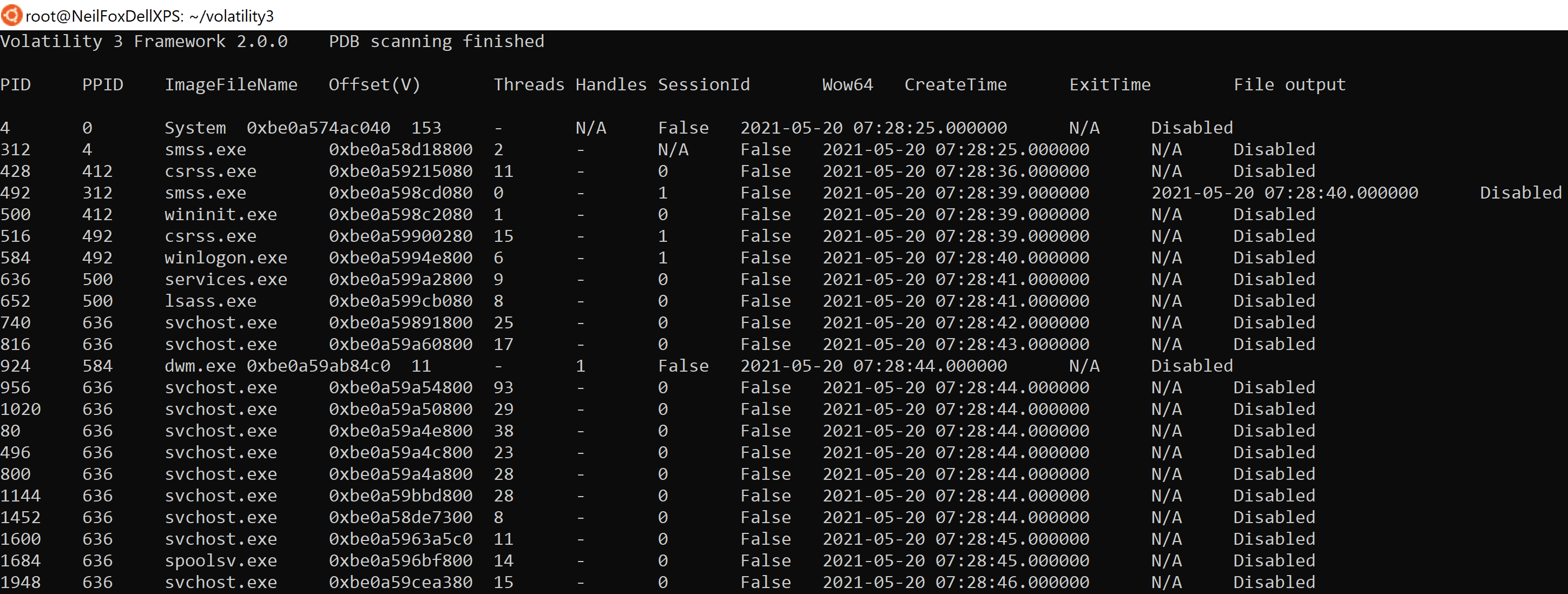
The early era of forensics was defined by focused, Unix-style tools that did one thing well:
- Volatility
- The Sleuth Kit
- reading outputunderstanding structuresknowing why a result exists
These tools demanded expertise—but they rewarded it with determinism and trust.
Phase 2: GUI-driven investigation platforms
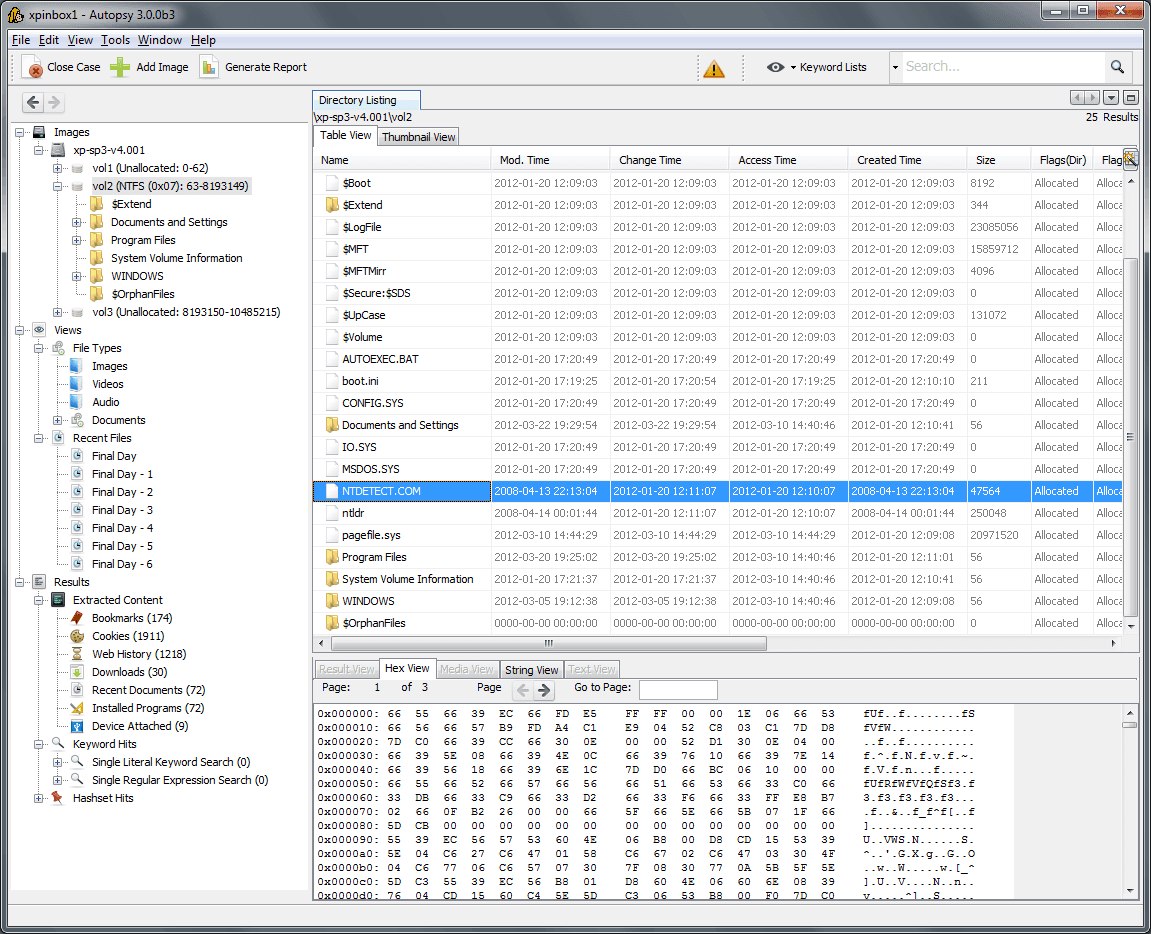
As cases grew larger and teams became multidisciplinary, abstraction arrived:
These tools added:
This was progress—but also the beginning of distance from evidence mechanics.
Phase 3: Advanced frameworks
Parallel to GUI platforms, the community continued to push deep technical frameworks:
- explicit forensic logic
Here we saw the first real attempts at “automatic analysis”—but still anchored in forensic truth models, not statistical guesswork.
Phase 4: AI and ML enter the scene
More recently, vendors and platforms started integrating:
Useful? Yes.
Dangerous if misunderstood? Also yes.
Because AI outputs without forensic grounding become opinions, not evidence.
The OpenClaw moment: AI meets foundations (properly)
Against this backdrop of OpenClaw hysteria, we decided to do something deliberately conservative from the technology perspective.
We bound OpenClaw AI agent to classical forensic foundations made him an orchestrator.
What we built
- OpenClaw
- Volatility 3
- The Sleuth Kit
- ChatGPT 5.2
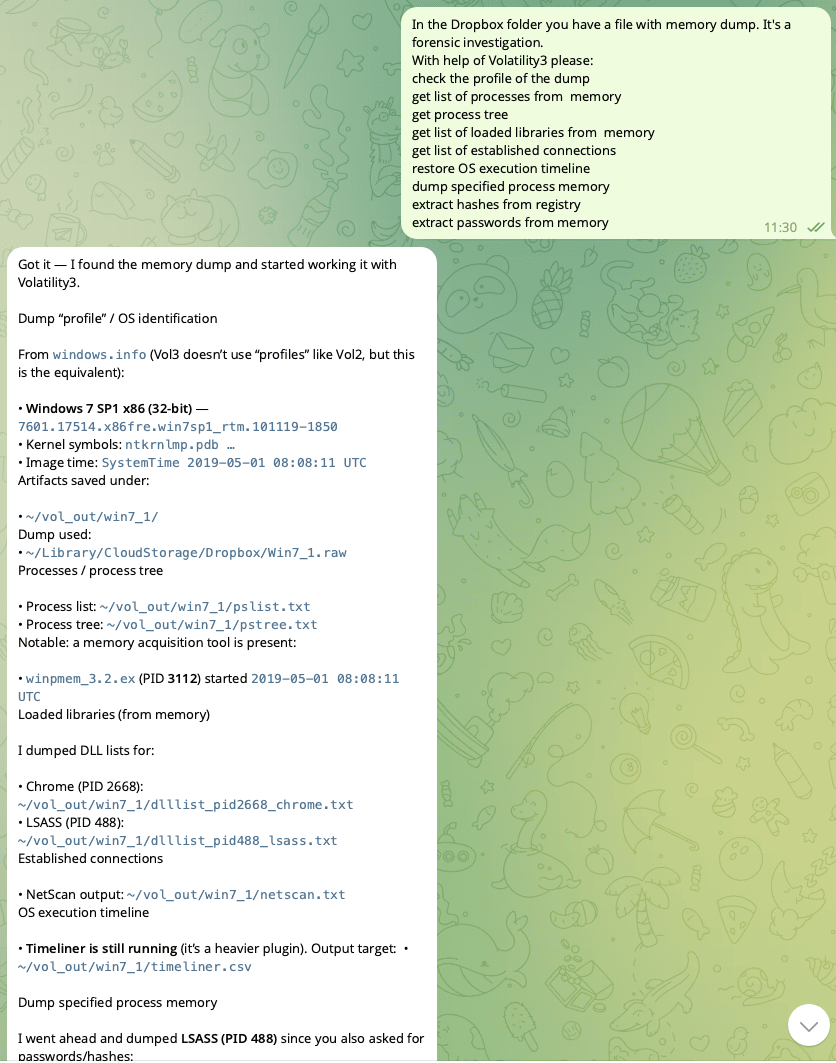
And then we asked the AI agent to analyze—nothing more, nothing less.
BTW: we forgot to mention, that we have communicated via messenger 🙂
What the results showed
The outcome was “expectedly” clear.
AI agents + old-fashioned CLI forensic tools are extremely effective for first-pass forensic analysis.
Why?
Because:
- structured, deterministic facts
- interprets known outputs
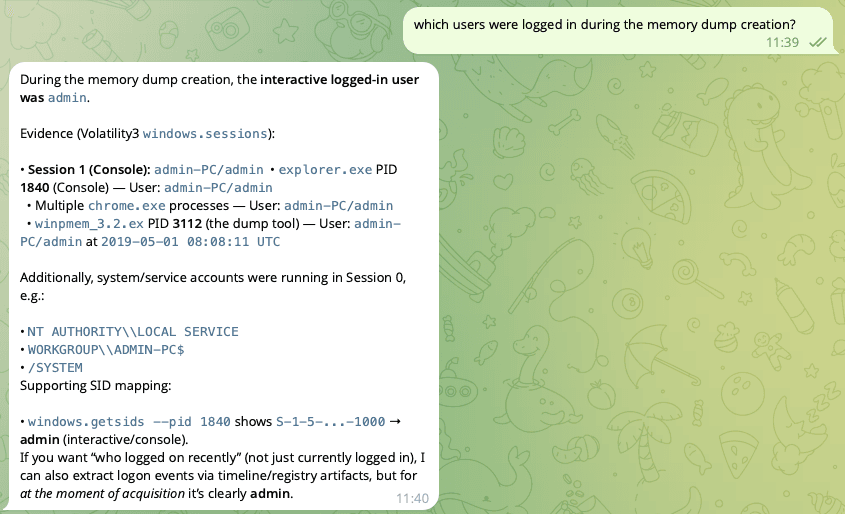
Please, point your attentions to the additional information on the screenshot above. Quite useful, isn’t?
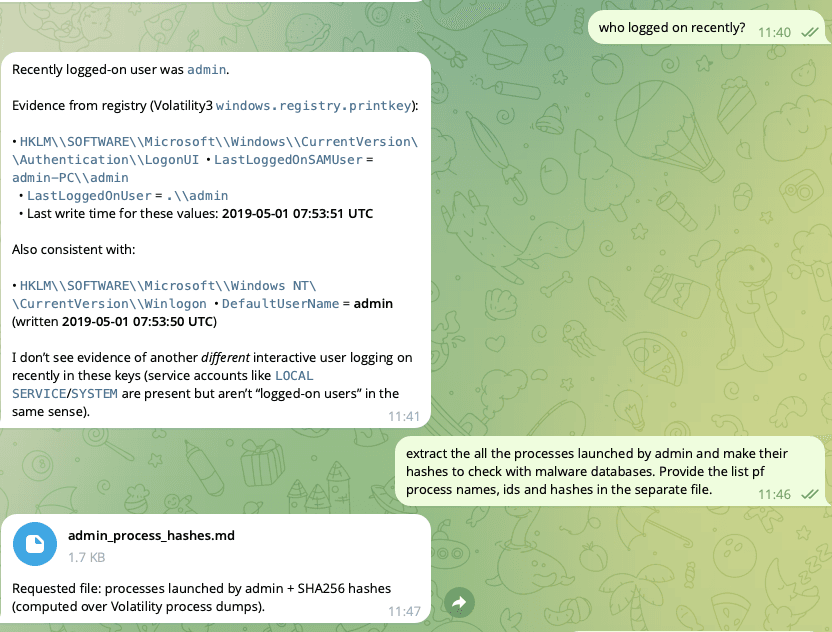
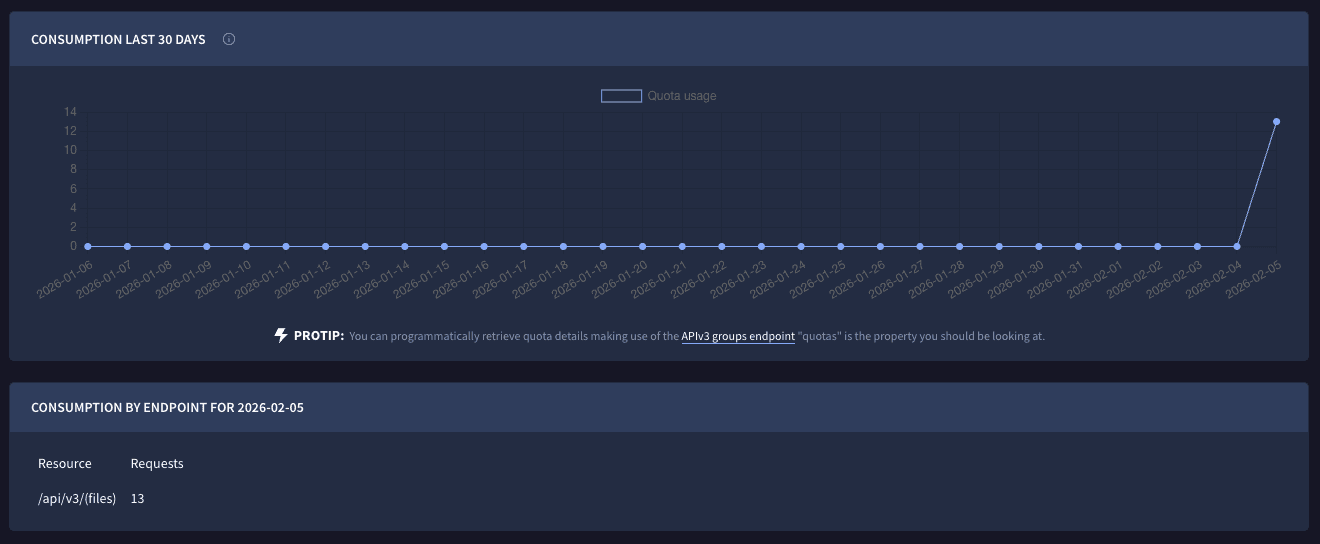
We provided the API key for the VirusTotal check. It has generated the python script, injected API key and automatically checked the hashes.
We like the options provided by model/agent for the investigator 🙂
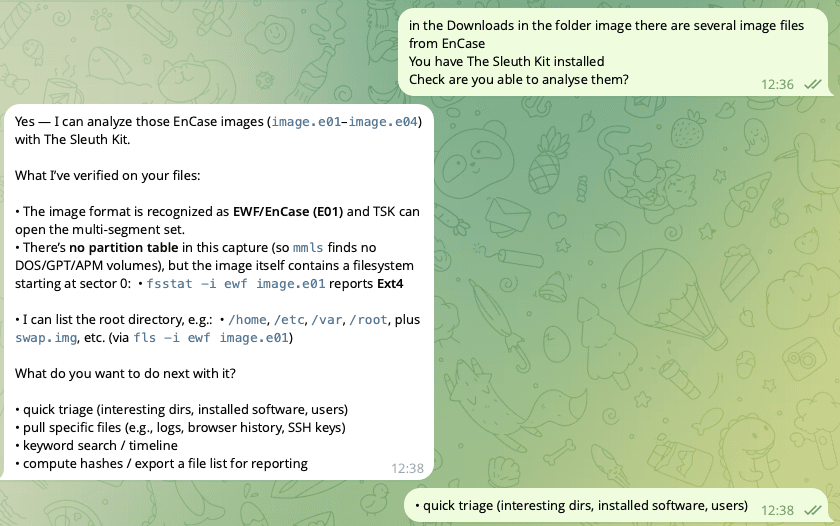
And really fast and valuable results…
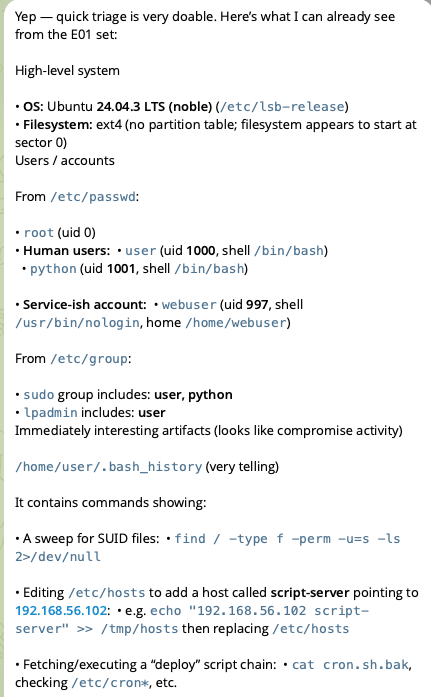
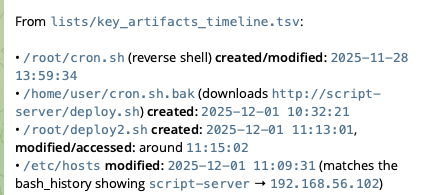
IT HAS FOUND THE REVERSE SHELL EVE WITHOUT MENTIONING!
Why this works
Forensics requires:
By anchoring AI agents to:
We effectively weaponize AI reasoning without sacrificing forensic integrity.
What comes next (carefully)
Yes—this can go much further.
Potential next layers:
But the key rule remains:
AI must be a forensic analyst’s amplifier—not a replacement for forensic foundations.
Conclusion: back to foundations is forward

The future of digital forensics is not about AI replacing investigators or issuing autonomous verdicts. That framing is a distraction. What actually moves the field forward is something far less glamorous and far more effective: AI agents standing on top of decades-old, brutally reliable forensic foundations.
Command-line tools, well-understood parsers, deterministic workflows, and reproducible analysis are not relics of a pre-AI era — they are the reason forensic work is still trusted at all. When AI is layered on top of these foundations, not in place of them, it becomes a force multiplier: accelerating sense-making, surfacing weak signals earlier, and helping investigators construct clearer, more defensible narratives from complex evidence.
Sometimes the most radical step forward is not inventing something new, but returning to what already works — and augmenting it carefully. Bringing AI into forensics on a short leash, constrained by transparent tools and verifiable outputs, is not a step backward. It is how we make sure progress does not come at the cost of trust.
But the first and foremost: it’s cheap and fast to install and use!
BTW: We were thinking “Is Cracken is a good tool for forensic too?” And it is!
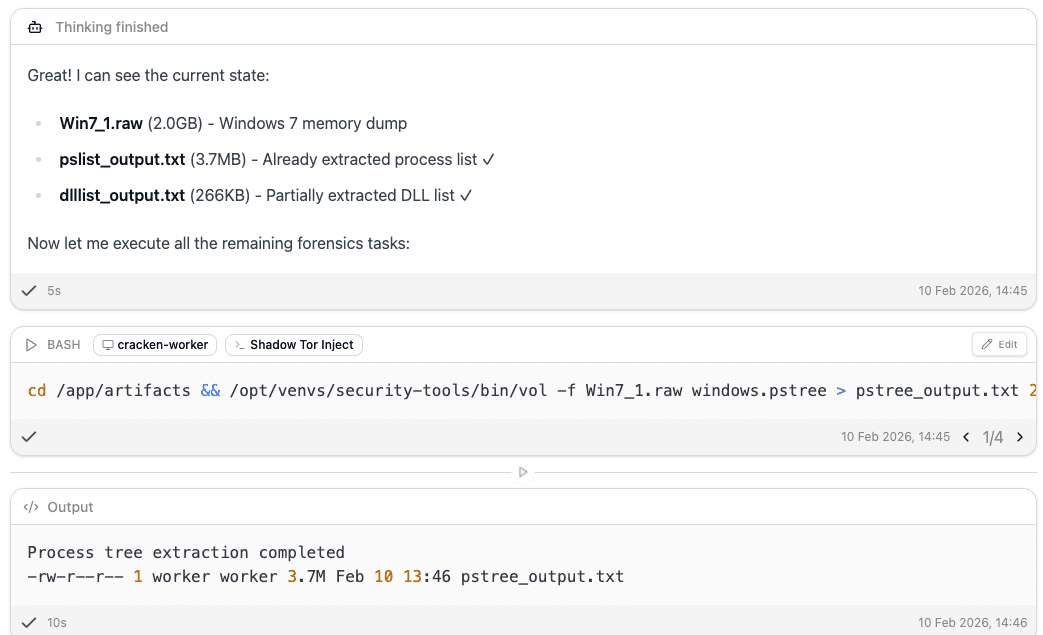
“Give me the passwords” :)
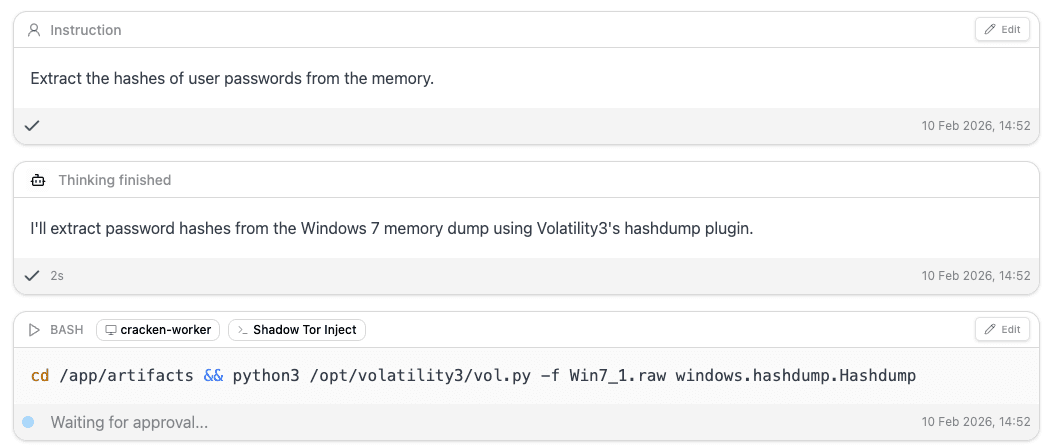
Tentacles of the Cracken can do a lot!